
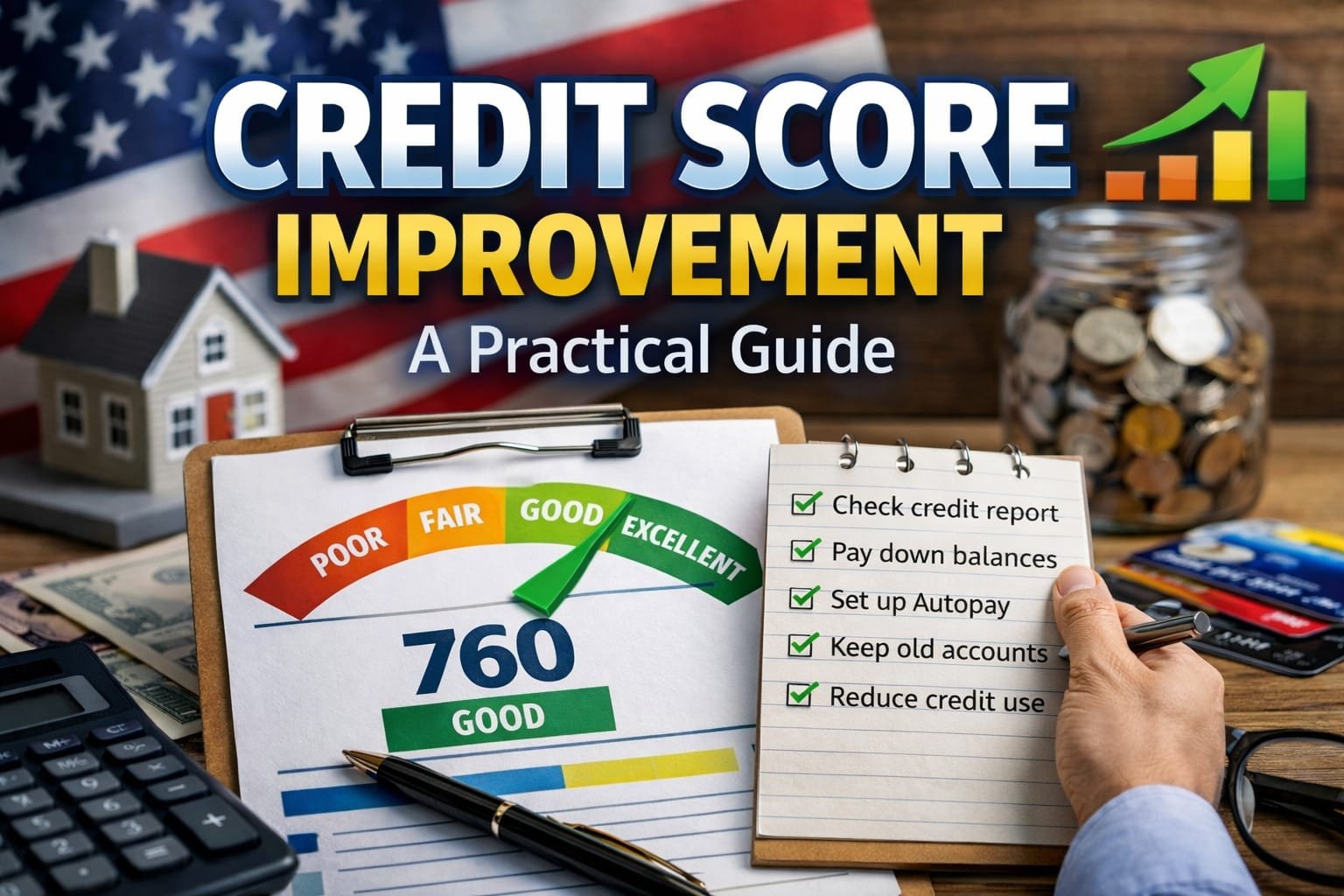
Improving your credit score isn’t magic — it’s a series of small, consistent steps that add up. Whether you’re aiming for a lower mortgage rate, a better credit card, or simply more financial freedom, understanding how scores work and what moves actually help is key.
Why your credit score matters
Lenders, landlords, insurers, and even some employers use your credit score to judge reliability. Higher scores unlock lower interest rates, better loan terms, and more options. Right now, U.S. average credit scores sit in the mid-700s range, meaning many Americans already have “good” credit — but plenty remain below the top tiers. According to recent industry data, the national average FICO® score is around the mid-710s, and nearly one in four consumers now have scores of 800 or higher — showing both opportunity and disparity in the market.
The three things that move your score most (and how to fix them)
Lenders use multiple models, but the mechanics are similar across FICO® and VantageScore®. Focus on these three areas first.
Payment history — always top priority
Payment history is the single largest factor in most scoring models. A single 30-day late payment can knock points off your score and stay on your report for years. If you’ve missed payments:
Bring accounts current immediately and keep them current.
Contact creditors to request a “goodwill” adjustment if you have a strong prior history.
Consider automating minimum payments to avoid future slips.
Credit utilization — keep it low
Credit utilization is how much of your available revolving credit you’re using. Aim for under 30% overall — under 10% is even better for faster gains. Practical steps:
Pay down high-balance cards first (highest utilization).
Make multiple small payments through the month to lower reported balances.
Request a credit limit increase (but only if you won’t use the extra credit).
Age of credit and mix
Longer credit history and a healthy mix (installment + revolving) help. Don’t close old cards just because you don’t use them — length of history matters. If you lack installment loans, a small auto or personal loan (used responsibly) can diversify your profile over time.
Concrete strategies to raise your credit score (30–180 days)
Some moves produce visible improvement quickly; others take longer.
Quick wins (30–90 days)
Dispute errors on your credit reports. Mistakes such as incorrect balances or accounts that aren’t yours can drag you down. Pull all three reports and dispute inaccuracies. The CFPB explains score buckets and how reporting affects risk profiles.
Reduce utilization by paying down credit card balances and making multiple payments each billing cycle.
Ask for lower interest rates or hardship plans if high interest is causing missed payments.
Medium-term (3–6 months)
Build positive payment history: autopay utilities and minimums.
Add rent or utility payments to your credit file via services that report on-time rent to credit bureaus.
Keep older accounts open and avoid opening multiple new cards at once.
Long game (6–24 months)
Establish a steady record of on-time payments. Scores reward consistent behavior.
If you have major negative marks (bankruptcy, foreclosure), work on steady, error-free activity — recovery is possible but takes time.