
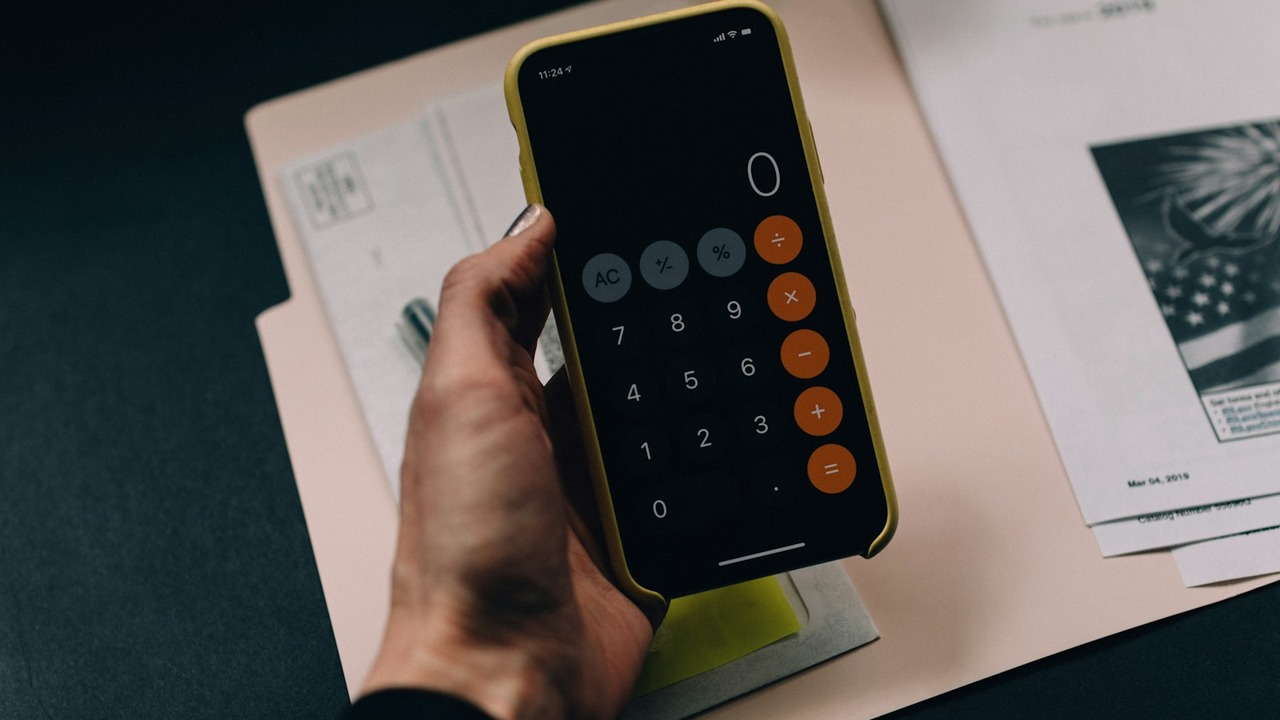
Personal finance is rarely a simple mathematical equation. In Indian households, money decisions are deeply intertwined with family obligations, societal expectations, generational habits, and emotional triggers. Understanding the Psychology of Money in Indian Households is often the missing bridge between knowing how to save and actually building lasting financial peace.
Most individuals understand that spending less than they earn and investing the difference will compound into long-term wealth. Yet, despite rising salaries across urban India, thousands of professionals find themselves trapped in an endless month-to-month cycle: salary arrives on the 1st, disappears across credit card bills and discretionary purchases by the 15th, leaving little to no margin for contingency planning or wealth creation. The culprit is rarely lack of intelligence—it is psychological friction.
1. Cultural and Societal Conditioning Around Money in India
Money behavior in India cannot be evaluated in isolation from cultural context. For generations, traditional Indian families prioritized capital safety, physical gold accumulation, real estate ownership, and collective family preservation. However, the last decade has introduced a dramatic generational shift fueled by instant credit, digital payments, and aggressive consumer marketing.
The ‘Log Kya Kahenge’ (Social Comparison) Tax
One of the largest invisible taxes on household cash flow is social comparison. Whether it is an opulent wedding celebration financed through personal loans, upgrading to an expensive SUV to match colleagues, or dining at high-end restaurants for weekend validation, social pressure subtly reshapes our definition of ‘necessity’. When financial decisions are driven by the desire to project prosperity rather than build real solvency, cash reserves rapidly deplete.
Instant Gratification via Frictionless Digital UPI
The digitization of payments through the Unified Payments Interface (UPI) has made transactions effortlessly seamless. While UPI revolutionized commerce, removing physical cash friction significantly reduced the psychological pain of paying. Swiping a phone for ₹450 on food delivery or ₹1,200 on an impulse apparel sale feels negligible in the moment. Yet, when repeated twenty times a month, micro-transactions quietly swallow ₹15,000 to ₹25,000 of disposable income.
2. The Brain Chemistry of Impulsive Spending
To dismantle impulsive spending habits, it is necessary to examine what happens neurologically when a purchase is made. Impulsive purchases are rarely about the item itself; they are about the emotional state preceding the transaction.
- The Dopamine Surge: Anticipation of acquiring something new releases dopamine in the brain. The peak feeling of satisfaction occurs during the purchase decision—not during product ownership. This explains the familiar ‘buyer’s remorse’ that sets in hours after unboxing an unneeded gadget.
- Retail Therapy as Stress Relief: Long corporate work hours, stressful commute schedules in metros like Bengaluru or Mumbai, and emotional fatigue often trigger compensatory spending. Purchasing serves as an immediate, temporary reward mechanism to soothe work-related exhaustion.
- The Scarcity Mindset vs. Abundance Distortion: Individuals who grew up in households with strict financial constraints often swing between extreme hoarding of cash in zero-interest accounts or overcompensating through reckless indulgence once their career income expands.
3. Comprehensive Breakdown: Emotional Spending vs. Mindful Cash Flow
The following comparative table illustrates the critical behavioral distinctions between impulsive spending cycles and structured financial mindfulness in everyday Indian life:
| Behavioral Dimension | Impulsive / Emotional Spending | Mindful / Disciplined Cash Flow |
|---|---|---|
| Trigger Point | Boredom, stress, flash discounts, peer comparison | Pre-identified genuine utility or planned life upgrade |
| Payment Instrument | Credit card EMI, Buy-Now-Pay-Later (BNPL), instant UPI | Dedicated lifestyle sub-account or debit savings reserve |
| Time to Purchase | Immediate (less than 10 minutes from impulse to payment) | Governed by the 48-Hour Pause Rule (cooling period) |
| Impact on Savings Quota | Depletes emergency buffer; forces debt rollover | Savings and SIP contributions executed first on salary day |
| Post-Purchase Feeling | Temporary high followed by regret and credit anxiety | Sustained satisfaction and zero financial distress |
| Long-Term Net Worth Outcome | Wealth transfer to consumer brands and interest lenders | Accelerated compounding in equity and contingency assets |
4. The True Cost of Micro-Impulses: Mathematical Reality
Consider an urban salaried professional earning ₹1,00,000 net monthly. Let us calculate how curbing small, recurring discretionary impulses alters long-term wealth accumulation over 15 years.
| Discretionary Impulse Item | Monthly Wasteful Outflow | Annual Drag on Cash Flow | 15-Year Wealth if Invested at 12% SIP |
|---|---|---|---|
| Frequent Food Delivery & Gourmet Snacks | ₹6,000 | ₹72,000 | ₹30,27,450 |
| Unused Gym/OTT/Club Subscriptions | ₹2,500 | ₹30,000 | ₹12,61,440 |
| Weekend Impulse Clothing & Gadgets | ₹5,000 | ₹60,000 | ₹25,22,875 |
| Total Combined Discretionary Leakage | ₹13,500 | ₹1,62,000 | ₹68,11,765 |
By curbing unexamined emotional impulses and redirecting just ₹13,500 monthly into a disciplined index fund or diversified equity portfolio, an Indian family secures over ₹68 Lakhs in compounded retirement wealth. You can experiment with your own numbers using our interactive SIP Wealth Compounding Calculator.
5. The 5 Practical Guardrails to Break Impulsive Spending
To master the psychology of money, relying solely on willpower is ineffective. You must build structural guardrails that make impulsive spending inconvenient and mindful spending automatic.
1. Implement the Mandatory 48-Hour Cooling Rule
Whenever you experience the urge to buy a non-essential item exceeding ₹2,000, enforce an unconditional 48-hour pause. Add the item to your wishlist or cart, then step away. In over 70% of instances, the dopamine spike fades within two days, and the perceived urgency evaporates.
2. The Three-Account Digital Architecture
Never hold your emergency savings, routine living expenses, and lifestyle funds in a single bank account. Establish three distinct accounts:
- Account 1: Income & Fixed Obligations — Receives monthly salary; automates rent, EMIs, insurance, utility bills, and SIP investments.
- Account 2: Emergency Contingency Buffer — Untouched savings account or liquid mutual fund holding 6 months of mandatory living costs.
- Account 3: Guilt-Free Lifestyle Wallet — Linked to your UPI app. You transfer a fixed weekly or monthly allowance (e.g., ₹10,000). When Account 3 hits zero, discretionary spending halts until next month. Zero guilt, zero risk to family stability.
3. De-Link Cards and Remove Saved Credentials
E-commerce portals rely on one-click checkout. Remove saved credit card numbers from shopping apps and food delivery platforms. Forcing yourself to manually type in sixteen digits, CVV, and OTP reintroduces friction, giving your rational prefrontal cortex time to intervene.
4. Reframe Cost in Working Hours Rather Than Rupees
When tempted by an impulse purchase of ₹15,000, calculate how many net working hours it requires. If your hourly earning is ₹500, ask yourself: “Is this designer jacket or dinner worth 30 hours of sitting at my corporate desk?” This mental anchor immediately reveals true utility.
5. Normalize Transparent Money Dialogues with Family
In many Indian homes, money remains a taboo dinner-table topic. Openly discussing household priorities, setting collective savings targets, and establishing boundaries with spouses and older parents removes the secrecy that often breeds impulse habits.
Conclusion: From Emotional Reaction to Generational Stability
Mastering the psychology of money in Indian households is not about extreme austerity or depriving yourself of life’s pleasures. It is about alignment: ensuring that your hard-earned financial resources flow toward what genuinely matters to your family’s future rather than evaporating on fleeting corporate marketing tactics.
When you automate your investments first, build structural buffers, and enforce a pause between impulse and action, money transforms from a source of anxiety into an instrument of enduring freedom.
Statutory Educational Disclaimer: This publication is strictly intended for financial literacy and educational purposes under SEBI guidelines. It does not constitute investment advice, financial planning endorsement, or a recommendation to buy or sell securities. Always evaluate your personal risk appetite and consult a SEBI-registered investment advisor before making financial commitments.